Testing is the first thing cut when a project runs late, and the reason projects run late.
Businesses commissioning software rarely ask about it, vendors rarely volunteer it, and the cost of skipping it arrives after launch — in bugs found by customers, in weekend firefighting, and in the credibility damage of software that doesn't work properly.
Jayshree Technosoft LLP has been building and testing software since 2009. This is what testing actually involves and what to expect from any development partner.
Why Bugs Are Cheaper to Find Early
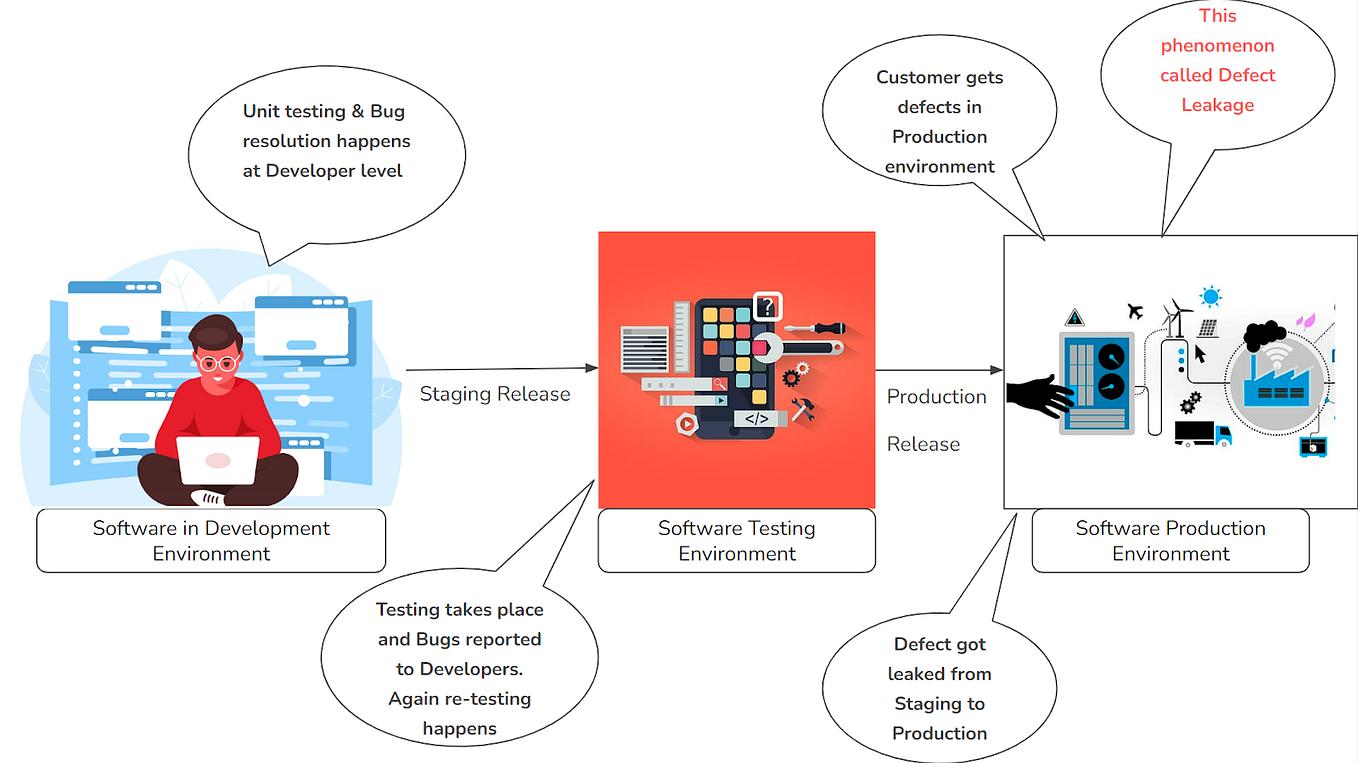
The core principle: a problem found while writing the code takes minutes to fix. The same problem found by a customer after launch takes far longer — because now someone must reproduce it, understand code written weeks ago, fix it without breaking something else, test it, deploy it, and handle the customer.
This is why "we'll test it at the end" is expensive. Testing is not a phase; it's something that runs alongside development, and vendors who treat it as a final step are building up cost they'll pass to you.
What Testing Actually Covers
Does each feature work? The obvious part, and the part most people imagine when they think of testing.
Does it still work after changes? The part businesses never anticipate. Adding a feature in month three can break something built in month one. Without checking, you discover this when a customer does.
What happens with unusual input? Empty fields, very long text, special characters, negative numbers, dates in the past. Real users enter things nobody expected, and software that only handles the ideal path breaks constantly.
Does it work on real devices? Not just the developer's laptop. Mid-range Android phones on mobile data, different browsers, smaller screens.
Does it hold up under load? Software fine with five users can fail with fifty. This matters most for anything that will see peaks — festival sales, admission season, month-end billing.
Is it secure? Can someone access data they shouldn't? Are payments handled properly? Are known vulnerabilities patched?
The Testing You Should Do Yourself
Here's the part businesses underestimate: your testing matters more than the vendor's, because only you know what real usage looks like.
A developer tests that the billing screen works. You know that on a busy Saturday, a customer sometimes returns one item from a three-item bill and pays the rest in two methods. That scenario is where software breaks, and only you would think to try it.
How to test properly:
Use your real data and real scenarios, not neat examples. Try to break it — enter the awkward order, the partial payment, the customer with no phone number. Have the actual users test, not just management. Test on the devices your staff genuinely use. And write down what went wrong specifically — "it doesn't work" costs a day of back-and-forth; "clicking Save on the billing screen with a discount applied shows an error" gets fixed the same day.
What a Development Partner Should Provide
Before signing, establish these:
Who tests, and when? Testing throughout development, or a rushed week at the end?
Is there a separate environment for testing? You should never be testing on the live system that customers use. A staging environment where you can try things freely is standard practice.
How are bugs reported and tracked? A shared list beats email threads and WhatsApp messages, which get lost.
What's the warranty period? How long after launch are defects fixed at no charge, and what counts as a defect versus a new request? Get this in writing — it's the most common post-launch dispute.
What happens on launch day? Who is available if something goes wrong in the first hours?
The Distinction That Prevents Arguments
A bug is the software not doing what was agreed. A change request is wanting it to do something different from what was agreed.
Both are normal. Bugs are fixed at no charge within the warranty period; change requests are quoted and scheduled. Arguments happen when this line was never drawn — which is why written scope matters, because it's the reference that decides which is which.
An honest vendor will occasionally absorb small changes as goodwill. A vendor absorbing everything eventually resents the project and quality drops. Neither side benefits from an unclear boundary.
Automated Versus Manual Testing
Manual testing is a person using the software and trying things. Essential for anything involving judgment — does this feel right, is this confusing, does this workflow make sense.
Automated testing is code that checks other code, run every time something changes. Costs more to set up and catches breakage instantly forever after.
The practical answer for most business software: automate the critical paths — the ones where breakage costs money, like billing, payments, and order processing — and test the rest manually. Automating everything is expensive; automating nothing means every change carries risk.
Launch Day, Done Sensibly
Launch during your quietest period, never during peak season or near financial year end. Keep the old system accessible in read-only form for weeks afterwards. Have someone technical available for the first day. Watch for problems actively rather than waiting for complaints. And plan for what happens if you need to roll back.
Most launch disasters we've been called to fix share one cause: switching over during the busiest week because that's when the deadline landed.
How We Work
At Jayshree Technosoft LLP, testing runs alongside development rather than being appended at the end — with a separate environment for client testing, tracked bug lists, and a defined warranty period agreed before work begins.
We also expect our clients to test properly, and we make it easy to do so. The scenarios that matter most are the ones only you know about, and software that hasn't met them isn't finished.
Planning a software project and want to understand how quality will be handled? Get in touch, or read about how we work.
Recent Articles

Best CRM Software in Jaipur for Kirana Stores: How POS Billing CRM Simplifies Daily Operations

How DataBridgeCRM's Real Estate CRM Works, From First Enquiry to Closed Deal

How LawDesk & CADesk Work for Lawyers and Chartered Accountants
